San Antonio Multifamily in 2026: Stabilizing, Still Sorting
Affordability supports demand, but performance is splitting by submarket, product age, and operational discipline.
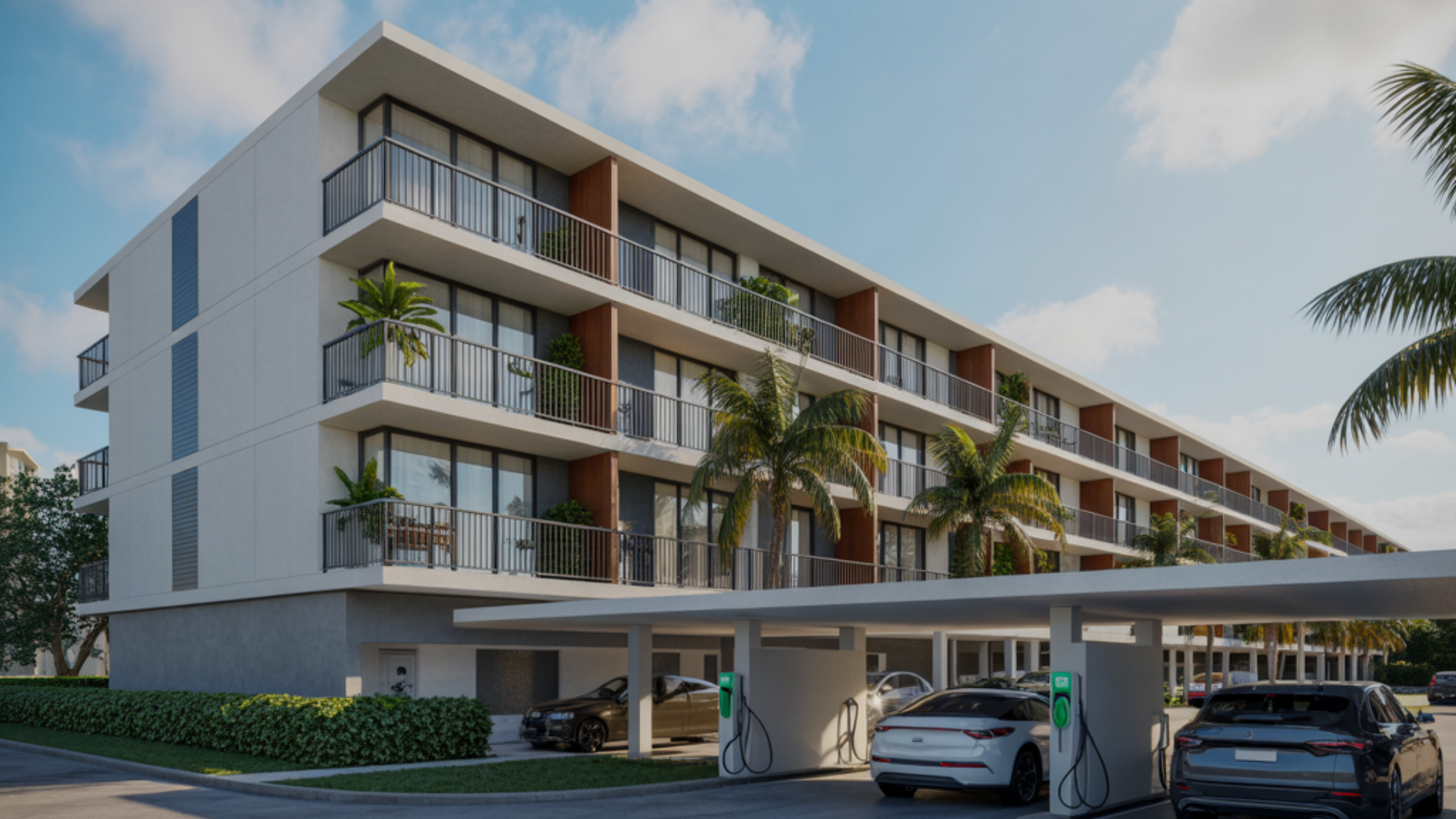
San Antonio’s multifamily market is sending a more constructive signal in 2026 than it was at the height of the supply wave: the market is stabilizing.
But it’s stabilizing unevenly.
That matters for owners and investors because broad averages can hide the real story. In this phase, outcomes are being decided by a more granular set of factors—where the asset sits, what it competes against, and how disciplined operations are with renewals and concessions.
Stabilization doesn’t mean “easy”
The clearest sign of stabilization is improving alignment between supply and demand. Development pipelines are scaling back, and new deliveries are no longer landing with the same intensity everywhere at once.
That shift doesn’t eliminate competition—it changes where competition shows up. Instead of the entire market feeling like a lease-up war, pressure concentrates into specific submarkets and product tiers.
Why outcomes are hyper-local in 2026
San Antonio multifamily is increasingly a neighborhood-by-neighborhood business. The same strategy won’t work everywhere, because the drivers aren’t uniform:
- Submarket: Some pockets continue to benefit from population growth and value positioning, while others remain more promotional due to concentrated deliveries.
- Product age and positioning: Newer product may compete with newer product, but older properties can still win with the right operations and pricing integrity—if they’re in the right trade area.
- Execution: The most meaningful divide in 2026 isn’t simply “Class A vs Class B.” It’s well-positioned vs interchangeable—and how effectively a property retains residents.
The operator playbook: concessions as a tool, not an identity
In competitive zones, concessions can be a rational tool to protect leasing velocity. The risk is when concessions stop being tactical and start being structural—when the market begins to expect discounts as the default.
Recent industry tracking has shown San Antonio among markets with elevated concession usage, reinforcing that “effective rent” is a real battleground in this cycle.
Owners protecting NOI are typically doing three things:
- Renewal discipline: retain residents without giving away the future
- Operational reliability: reduce churn by improving the living experience
- Marketing clarity: compete on value and convenience, not just giveaways
Investor lens: underwrite durability, not just occupancy
Occupancy can be bought. Durability must be earned.
In 2026, underwriting should focus less on “leased today” and more on:
- renewal health (are residents staying?)
- concession dependence (is performance propped up?)
- expense pressure (how much margin is being squeezed?)
- and submarket supply risk (what’s still coming online nearby?)
The market is stabilizing, but the winners will be the assets that can hold performance without rewriting their revenue every month.
The next 90 days: signals worth watching
To track where San Antonio multifamily is headed, watch:
- Concession intensity: are specials shrinking—or sticking?
- Renewal spreads: are renewals holding without big discounts?
- Lease-up velocity: which submarkets are digesting supply fastest?
- Pipeline reality: where starts are truly slowing and where they aren’t
San Antonio multifamily in 2026 isn’t one story. It’s a sorting process—and in that process, execution is the advantage.
Where’s the most pressure right now—lease-ups, renewals, or concession creep?
Contact Us
Don't be a stranger!
1220 Augusta Dr
Houston, TX 77057
713.489.9819
melanne@kwcommercial.com