DFW Capital Markets in 2026: Liquidity Is Selective—Not Gone
Deals are happening, but the market is rewarding clarity, durability, and realistic stabilization timelines.
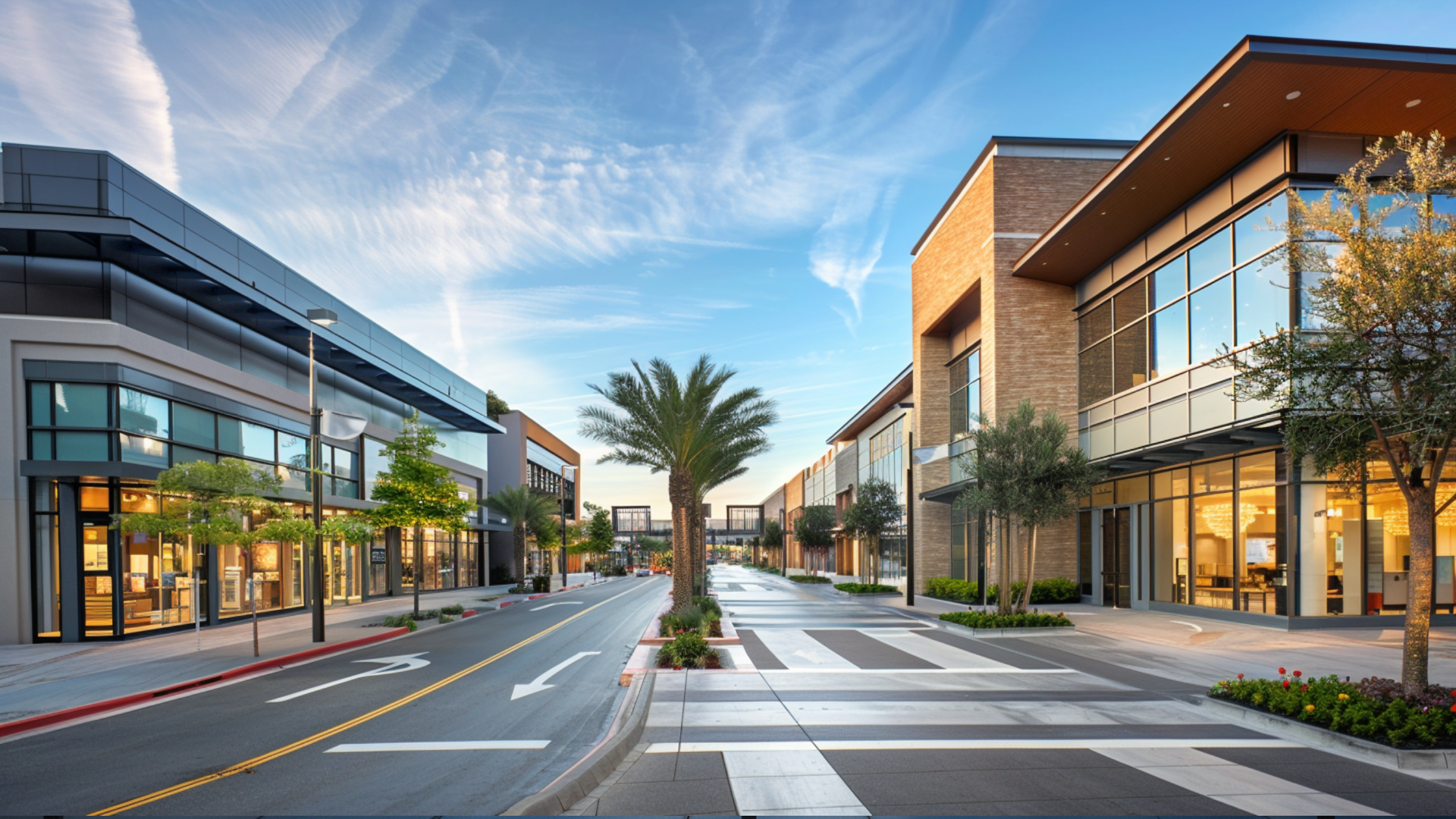
Dallas–Fort Worth capital markets aren’t frozen in 2026. They’re disciplined.
That may sound like semantics, but it changes how owners should act and how investors should underwrite. A frozen market doesn’t move. A disciplined market moves—but only when the story is clean enough to survive scrutiny.
And scrutiny is exactly what defines this cycle.
Selective liquidity: where capital shows up first
Liquidity still exists, but it shows up where uncertainty is low and durability is obvious. In practical terms, deals move faster when:
- income is proven, not projected
- capex is defined, not vague
- rollover risk is manageable or clearly priced
- and the stabilization path is believable
This is why two assets in the same submarket can experience completely different outcomes. One trades cleanly. Another sits. The difference is often less “market timing” and more story clarity.
The bid-ask gap is often a story gap
People treat the bid-ask gap as a pricing problem. In reality, it’s often a story problem.
Buyers want confidence in the next 24–36 months: what cash flow looks like, what it will take to stabilize, and what could go wrong. Sellers want credit for upside. The gap closes when upside is supported by a plan—not just a belief.
In 2026, the market is paying for reality and discounting ambiguity.
The toughest assets are the “in-between” assets
The market is currently harshest on properties that sit in the middle:
- not premium enough to command pricing power
- not discounted enough to justify execution risk
- not broken enough to be a clear value-add play
- not stable enough to be core
These are the assets where both sides feel reasonable:
- sellers can see the upside
- buyers can see the cost and time required to reach it
That tension is why many deals don’t fail on price alone—they fail on timeline confidence and capex credibility.
Pro-owner lens: strategy beats waiting
Owners who navigate disciplined markets best don’t wait for sentiment to improve. They reduce uncertainty.
That tends to look like:
- tightening operations to defend durability
- clarifying capex scope and sequencing
- showing a credible stabilization timeline
- or pricing honestly when the plan isn’t worth executing
In other words: owners create liquidity by making the risk legible.
Investor lens: don’t confuse “more closings” with “easy money”
As deal volume returns in pockets, it’s tempting to interpret movement as a full recovery. But selective liquidity is still selective.
Some trades are stability trades (durable income). Others are basis trades (buyers paid for risk). Both can be healthy—but 2026 demands that pricing reflect the real work required.
A lease signed today doesn’t automatically equal durability tomorrow. Underwriting needs to separate:
- occupancy that’s earned
- from occupancy that’s being purchased through economics
The next 90 days: what to watch
If you want to know whether DFW liquidity is expanding, watch signals that reflect confidence:
- debt terms (proceeds and lender comfort, not just rate)
- re-trades (are renegotiations shrinking?)
- days to close (is time compressing?)
- where capital is showing up (core vs value-add vs rescue)
- seller behavior (more realistic pricing and terms)
DFW capital markets in 2026 aren’t waiting for a magic moment. They’re moving selectively—when the numbers and the narrative agree.
Are you seeing more movement from buyer confidence or seller realism?
Contact Us
Don't be a stranger!
1220 Augusta Dr
Houston, TX 77057
713.489.9819
melanne@kwcommercial.com