DFW’s Wildcard in 2026: Non-Traditional Demand Drivers Are Reshaping CRE
AI, data centers, and infrastructure investment are shifting site selection—and rewarding owners who underwrite constraints, not just demand.
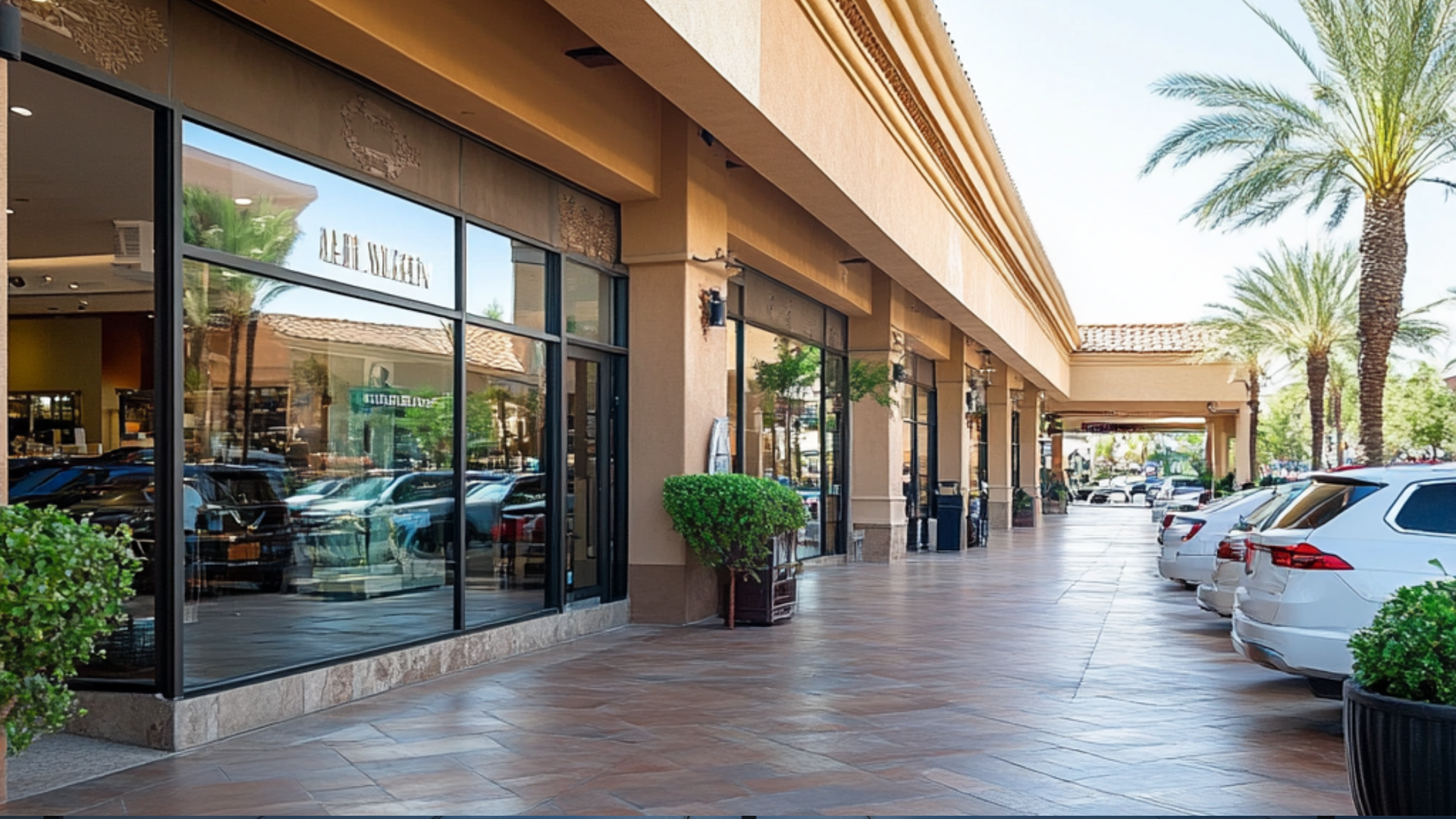
Dallas–Fort Worth commercial real estate is still powered by familiar engines: population growth, corporate expansion, and a diversified economy.
But the most interesting story in 2026 isn’t purely “office vs. industrial vs. retail vs. multifamily.” It’s what’s happening underneath those categories—non-traditional demand drivers that can reshape corridors faster than typical market cycles.
If you’re an owner or investor, this is the point of the wildcard week: the next wave of winners may be decided by forces that don’t show up neatly in a standard property-type dashboard.
1) AI isn’t just a tech story—it’s a demand story
AI adoption is moving from novelty to infrastructure. That shift changes business behavior: how companies hire, how they operate, and how they scale.
In DFW, the implication is simple: AI-era growth can produce new forms of demand—some visible (office decisions, talent clustering), some less visible (server capacity, power planning, supplier ecosystems). The immediate lesson for CRE isn’t to chase buzzwords. It’s to watch where AI-driven business activity concentrates and what it requires operationally.
2) Data centers are turning “site selection” into a deliverability exam
Data centers aren’t new, but 2026 has made them more consequential—and more constrained.
The gating questions increasingly look like this:
- Can the site deliver power on a realistic timeline?
- Can it meet water and infrastructure requirements?
- Can it execute without surprises?
This is where real estate changes: land is not the primary scarcity. Certainty is. And in many markets, the premium is shifting from acreage to deliverability.
For owners and investors, that means underwriting has to move beyond land comps into feasibility and timeline realism. The winners are the deals that reduce friction early.
3) Infrastructure investment quietly re-prices corridors
Some of the biggest value shifts in real estate don’t happen because a market “feels hot.” They happen because connectivity improves.
Major infrastructure projects—especially around airports and regional mobility—can alter commute patterns, logistics efficiency, and labor reach. That doesn’t just help one property type. It can influence:
- industrial node selection
- office accessibility
- retail traffic patterns
- and residential preference over time
In DFW, this is why owners should pay attention to infrastructure milestones even if they feel unrelated to day-to-day leasing.
The investor + pro-owner takeaway: underwrite constraints, not just demand
Non-traditional drivers create real opportunity—but they also create a common mistake: confusing demand with feasibility.
In 2026, the best operators and investors are asking better questions:
- Where can projects actually be delivered on time?
- Which corridors benefit from real infrastructure lift?
- Which trends are durable—and which are headline-driven?
The advantage isn’t predicting the future perfectly. It’s recognizing where demand is forming early and pricing the constraints honestly.
The next 90 days: signals worth watching
If you want to stay on the right side of the wildcard, watch:
- power policy and interconnection updates
- data center announcements that include timelines (not just intent)
- major infrastructure approvals and construction milestones
- and corporate expansion signals tied to AI-driven sectors
DFW’s next demand wave is still being written. But in 2026, it’s clear that digital infrastructure and connectivity are becoming foundational parts of the CRE story.
What’s your biggest DFW wildcard right now—data centers, AI-driven corporate growth, or infrastructure expansion?
Contact Us
Don't be a stranger!
1220 Augusta Dr
Houston, TX 77057
713.489.9819
melanne@kwcommercial.com