DFW Multifamily in 2026: Why It’s a Strategy Game
Supply is moderating, but performance is splitting by submarket—and the winners are protecting effective rent through execution.
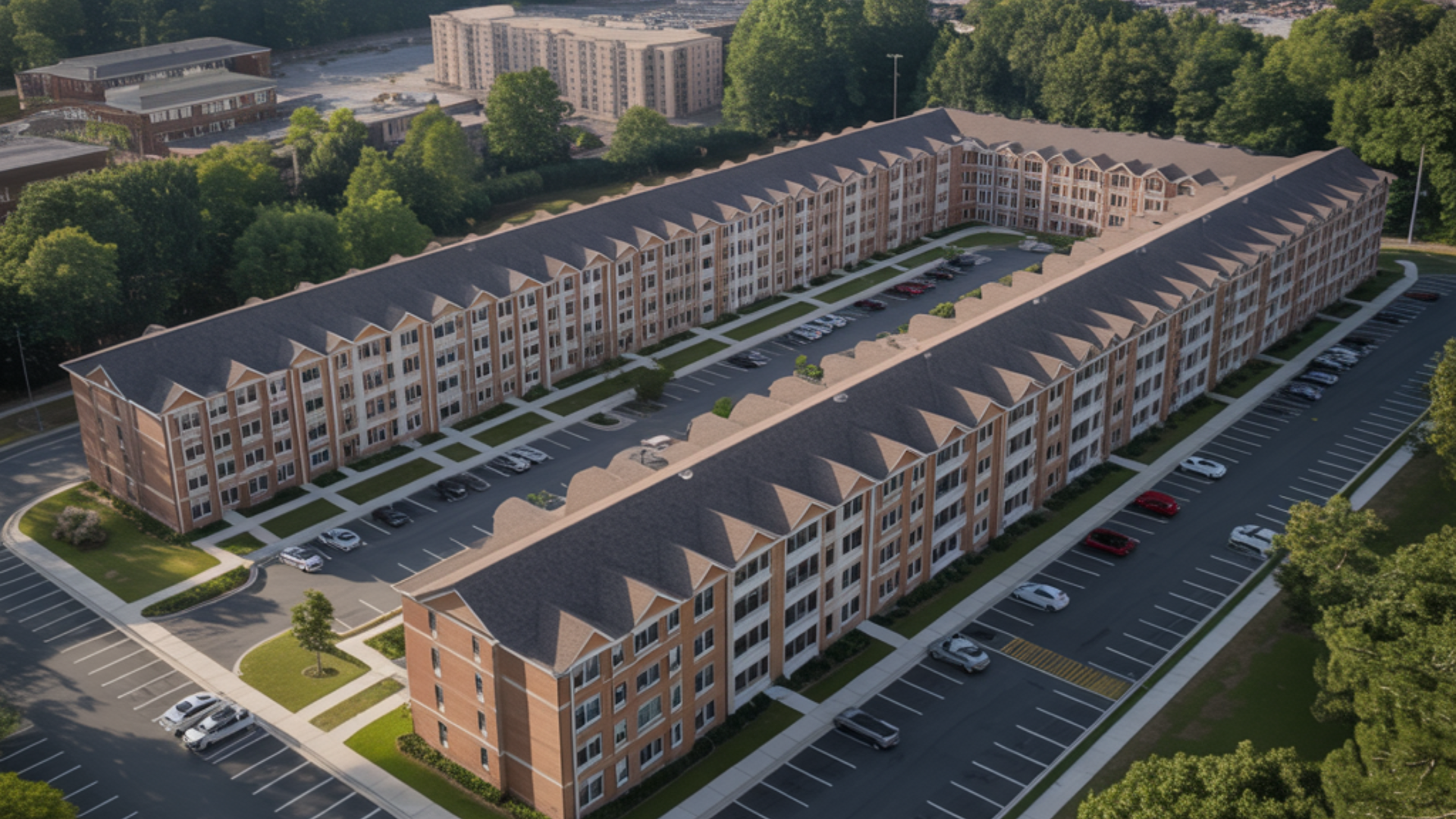
Dallas–Fort Worth multifamily isn’t a crisis story in 2026. It’s a competition story.
And more specifically, it’s a strategy game—where outcomes depend on how operators manage lease-ups, renewals, and concessions as the market transitions from a delivery-heavy cycle to a more balanced one.
The simplest summary is this: occupancy still matters, but effective rent is the scoreboard.
The market’s new posture: less panic, more precision
DFW spent the past cycle absorbing an elevated wave of new supply. That forced operators into a faster tempo—pricing sharp, marketing active, and concessions used tactically to keep leasing velocity moving.
Now the pipeline is moderating. That shift changes the playbook.
When deliveries slow, markets typically move from “who can lease fastest?” to “who can hold performance without buying it?” And that’s exactly where the strategy game shows up.
The three levers that decide outcomes
Most properties are pulling from the same toolkit. The difference is how intelligently they use it.
1) Lease-up velocity (speed): Lease-ups still matter, especially in submarkets where new deliveries remain concentrated. Speed protects cash flow, but chasing speed with excessive discounting can create a longer-term pricing problem.
2) Renewal retention (stickiness): As competition normalizes, renewal strategy becomes a primary NOI lever. Owners who reduce churn—through service, maintenance, responsiveness, and resident experience—often protect revenue without dramatic concessions.
3) Concession discipline (integrity): Concessions are not inherently bad. They become risky when they turn from “tool” into “identity.” When a property trains the market to expect discounts, it can take longer to rebuild effective rent even after competitive supply eases.
Why DFW outcomes are still hyper-local
DFW is not one multifamily market. It’s a portfolio of submarkets with different demand drivers, different delivery timing, and different renter psychology.
That’s why two assets with similar finishes can perform differently: one benefits from a strong trade area and demand depth, another competes in a corridor where choice is abundant and pricing is more elastic.
In this phase, the “right” strategy changes by location:
- some pockets require lease-up aggression
- others reward retention and operational consistency
- and some benefit most from repositioning and clearer brand identity
Pro-owner perspective: “don’t buy occupancy if you can earn it”
In a competitive market, it’s tempting to win the month and lose the year—heavy specials to hit occupancy targets, followed by weaker renewal power.
The best operators are doing something more disciplined:
- using concessions to maintain velocity without rewriting value
- creating reasons to stay (service + experience)
- and protecting their reputation so they can reduce churn
The result is less dramatic leasing, but stronger NOI durability.
Investor perspective: underwrite durability, not today’s headline
The biggest underwriting mistake in this cycle is confusing “leased today” with “stable tomorrow.”
Durability shows up in:
- renewal spreads and retention
- the depth of demand in the immediate trade area
- realistic assumptions on concessions and re-tenanting costs
- and how much of performance relies on promotional pricing versus genuine preference
In 2026, the market is telling investors to underwrite submarkets like separate businesses—because they are.
The next 90 days: signals worth watching
If you want a clean read on where DFW multifamily is heading, watch:
- concession intensity (are specials fading or sticking?)
- renewal behavior (are residents staying without major discounts?)
- lease-up velocity in delivery-heavy pockets
- pipeline visibility (where starts are falling fastest)
- operator behavior (more discipline, or more promotions?)
DFW multifamily in 2026 isn’t a single direction. It’s a sorting process. And the winners are the properties that can protect effective rent without buying occupancy every month.
Where’s the most pressure right now—lease-ups, renewals, or concession creep?
Contact Us
Don't be a stranger!
1220 Augusta Dr
Houston, TX 77057
713.489.9819
melanne@kwcommercial.com