How does Commercial Real Estate even work?
Introduction:
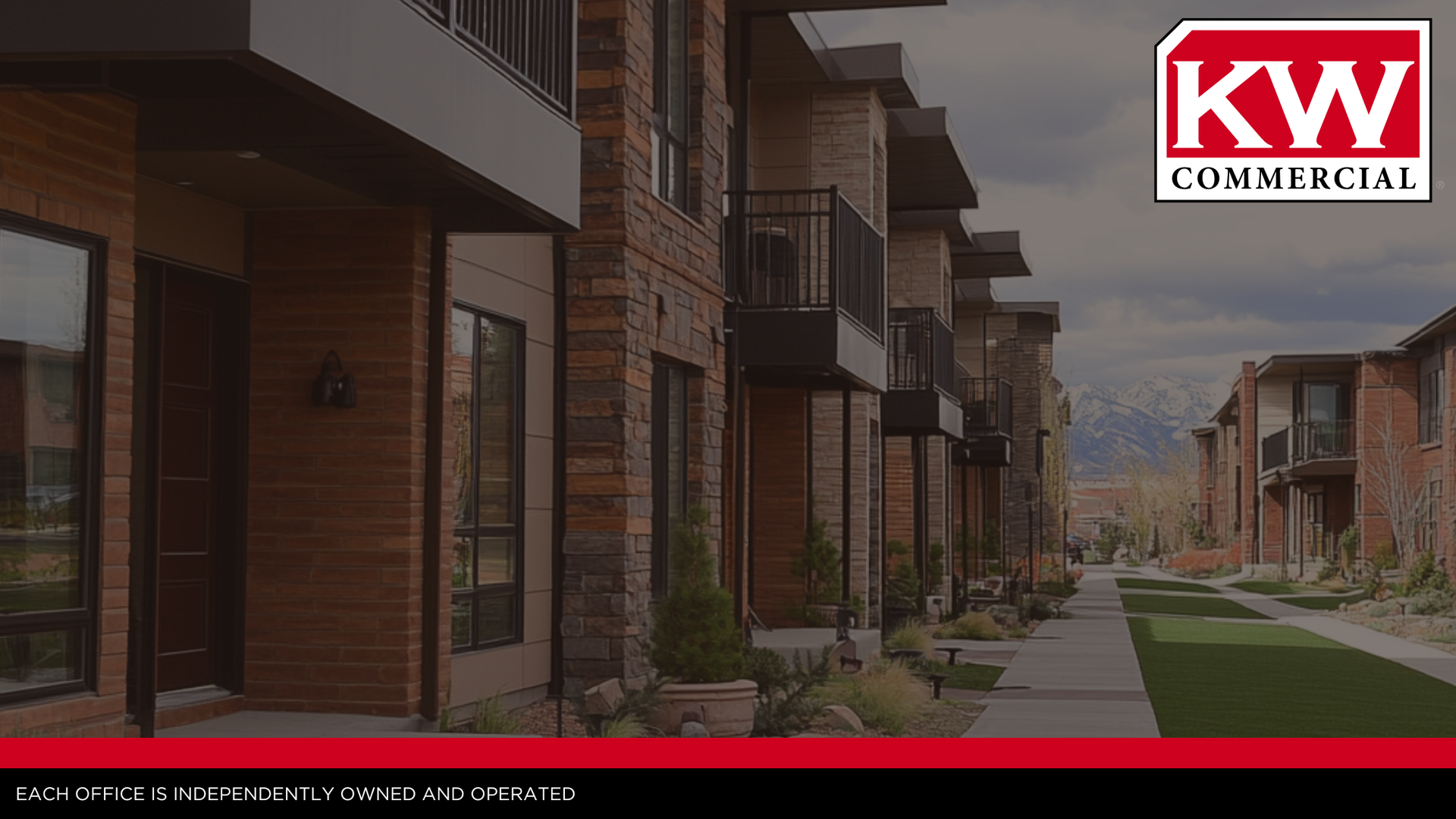
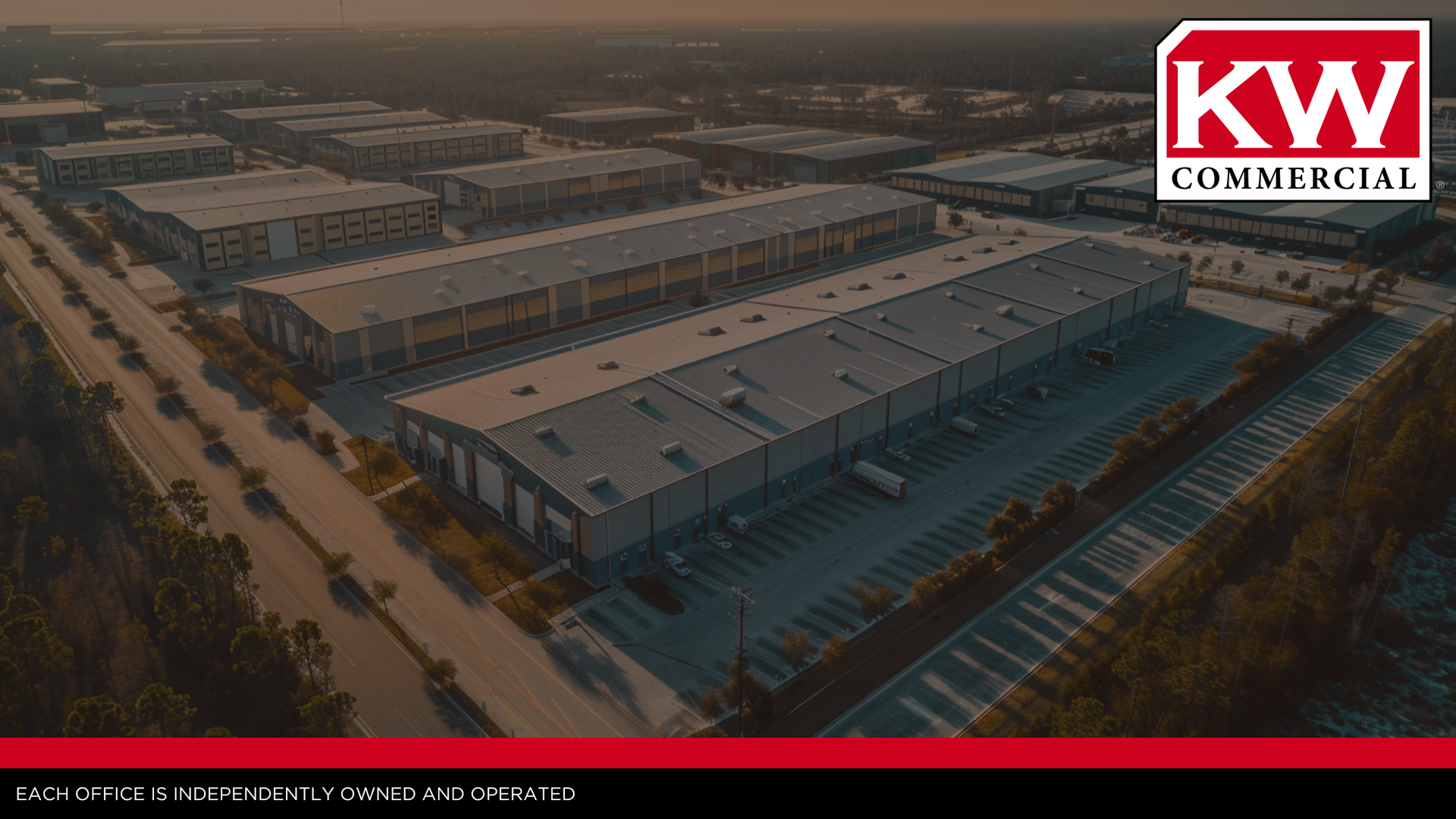
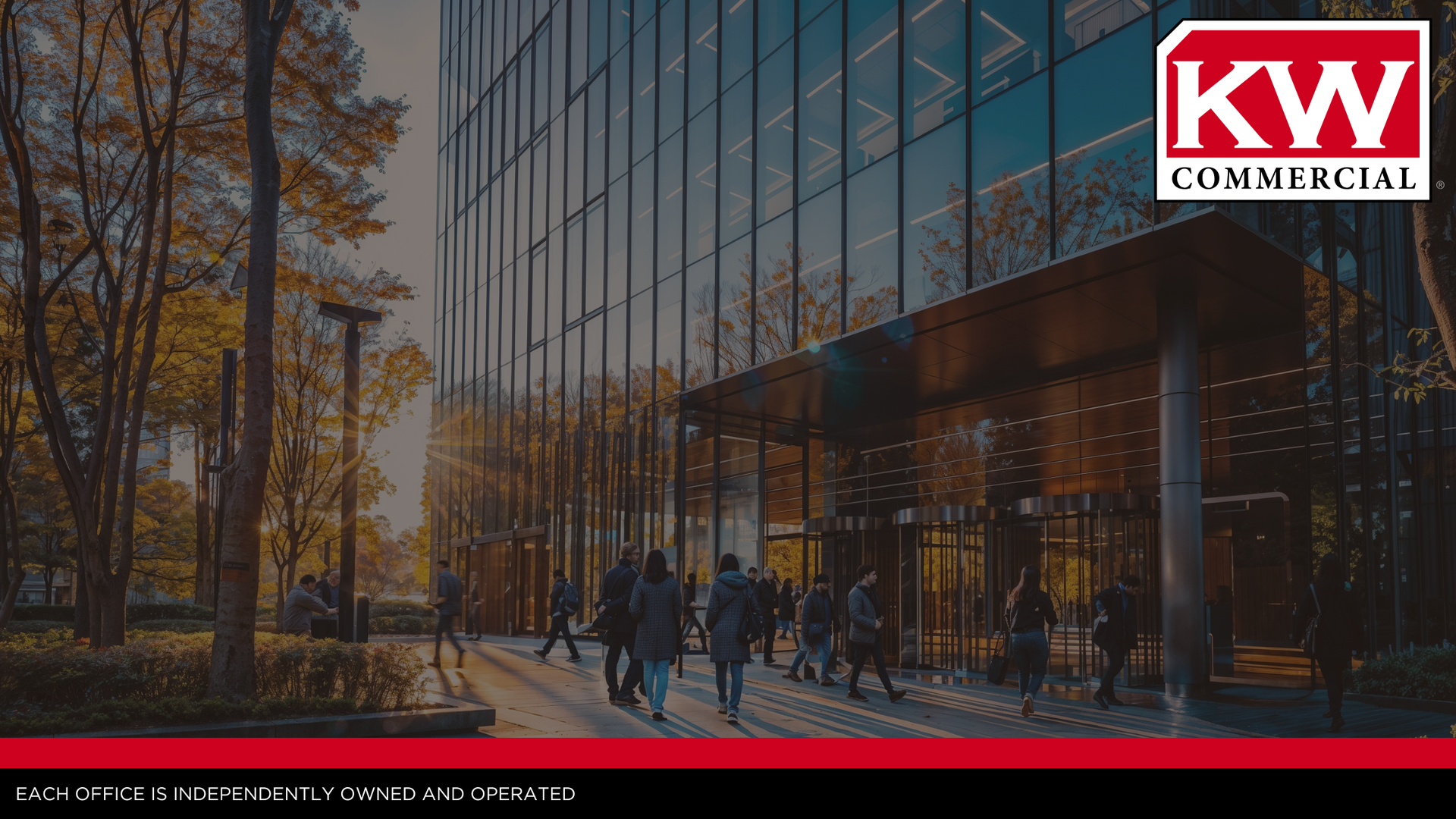
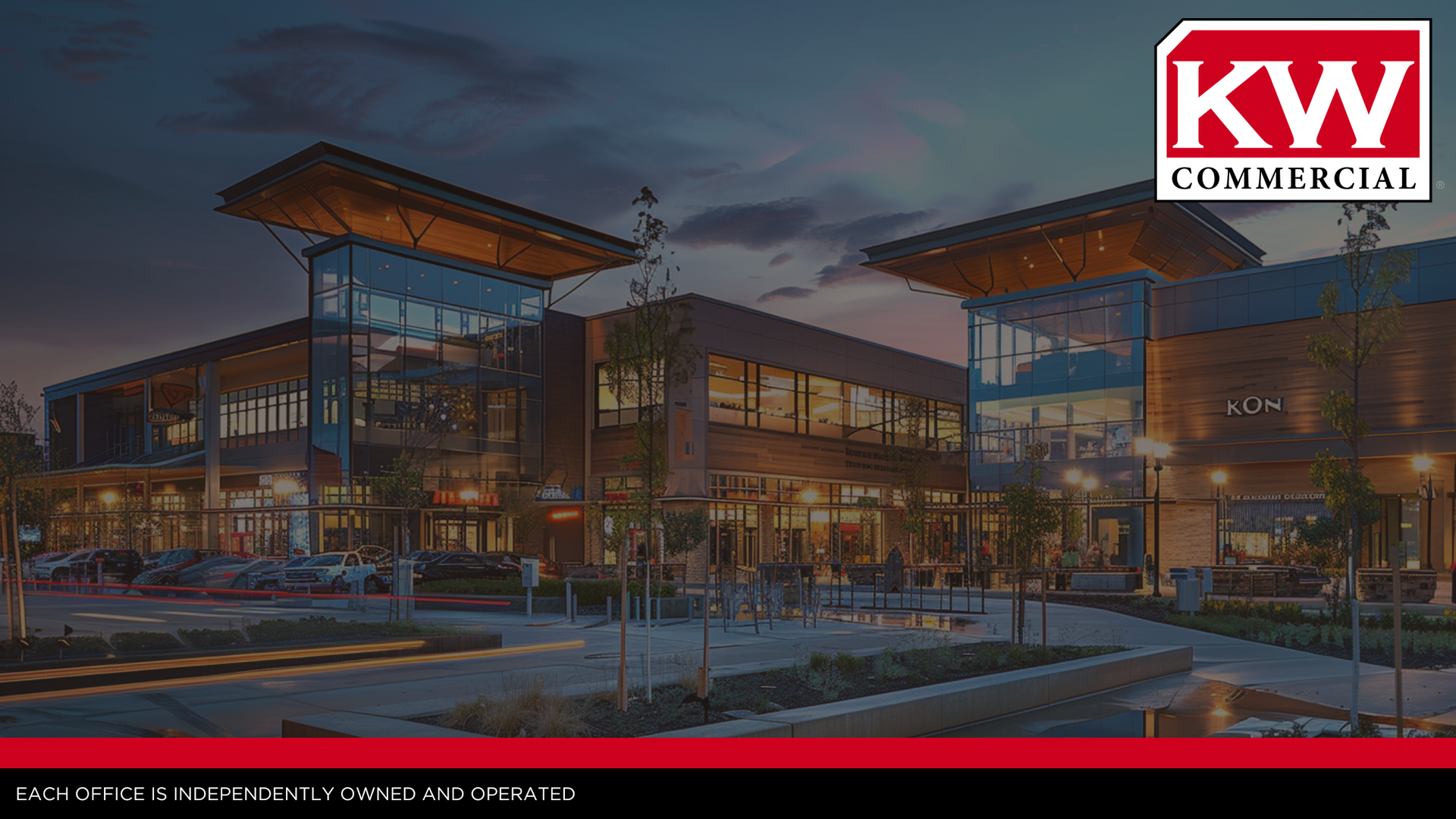
Commercial real estate is a dynamic and complex industry that encompasses a wide range of properties, including office buildings, retail spaces, warehouses, and more. In this blog, we will explore the fundamental aspects of commercial real estate and shed light on how it works.
1. Property Acquisition:
Commercial real estate transactions typically begin with property acquisition. Investors or businesses identify opportunities based on factors like location, market demand, and potential returns. Acquiring commercial real estate can involve various strategies, such as purchasing properties outright, entering into lease agreements, or participating in real estate investment trusts (REITs).
2. Market Analysis:
Before investing in commercial real estate, thorough market analysis is crucial. This involves evaluating factors like supply and demand, economic trends, demographics, and local regulations. Market analysis helps investors make informed decisions and mitigate risks.
3. Financing:
Commercial real estate projects often require substantial capital investments. Financing options include traditional bank loans, private equity, crowdfunding, or partnerships. Lenders assess factors such as property value, financial viability, borrower creditworthiness, and market conditions to determine loan terms.
4. Property Development and Management:
Commercial real estate development involves constructing or renovating properties to meet specific needs. Developers oversee the entire process, including site selection, design, construction, and obtaining necessary permits. Property management entails day-to-day operations, maintenance, tenant relations, and ensuring the property's profitability.
5. Leasing and Tenant Relations:
Generating income through leasing is a significant aspect of commercial real estate. Property owners lease space to businesses, who become tenants. Lease terms can vary in duration and structure, such as triple net leases or gross leases. Building positive tenant relationships, addressing concerns promptly, and ensuring tenant satisfaction are critical for long-term success.
6. Valuation and Investment Returns:
Determining the value of commercial properties is essential for assessing investment performance and making informed decisions. Valuation methods consider factors like income potential, comparable sales, replacement costs, and market conditions. Investors evaluate returns through metrics such as capitalization rates, cash flow analysis, and internal rate of return.
7. Market Trends and Risks:
Commercial real estate is influenced by market trends and economic conditions. Factors like changes in interest rates, consumer behavior, technology advancements, and government policies can impact property values and demand. Understanding and adapting to market trends is crucial for successful investments.
Conclusion:
Commercial real estate represents a vast and intricate industry that operates on various levels. From property acquisition and market analysis to financing, development, leasing, and valuation, each step plays a critical role. By comprehending these fundamental workings, investors and stakeholders can navigate the commercial real estate landscape more effectively and make informed decisions.
Contact Us
Don't be a stranger!
1220 Augusta Dr
Houston, TX 77057
713.489.9819
melanne@kwcommercial.com