Austin Industrial in 2026: Deliverability Wins
Demand persists, but site readiness, labor reach, and realistic delivery timelines are deciding which corridors and assets outperform.
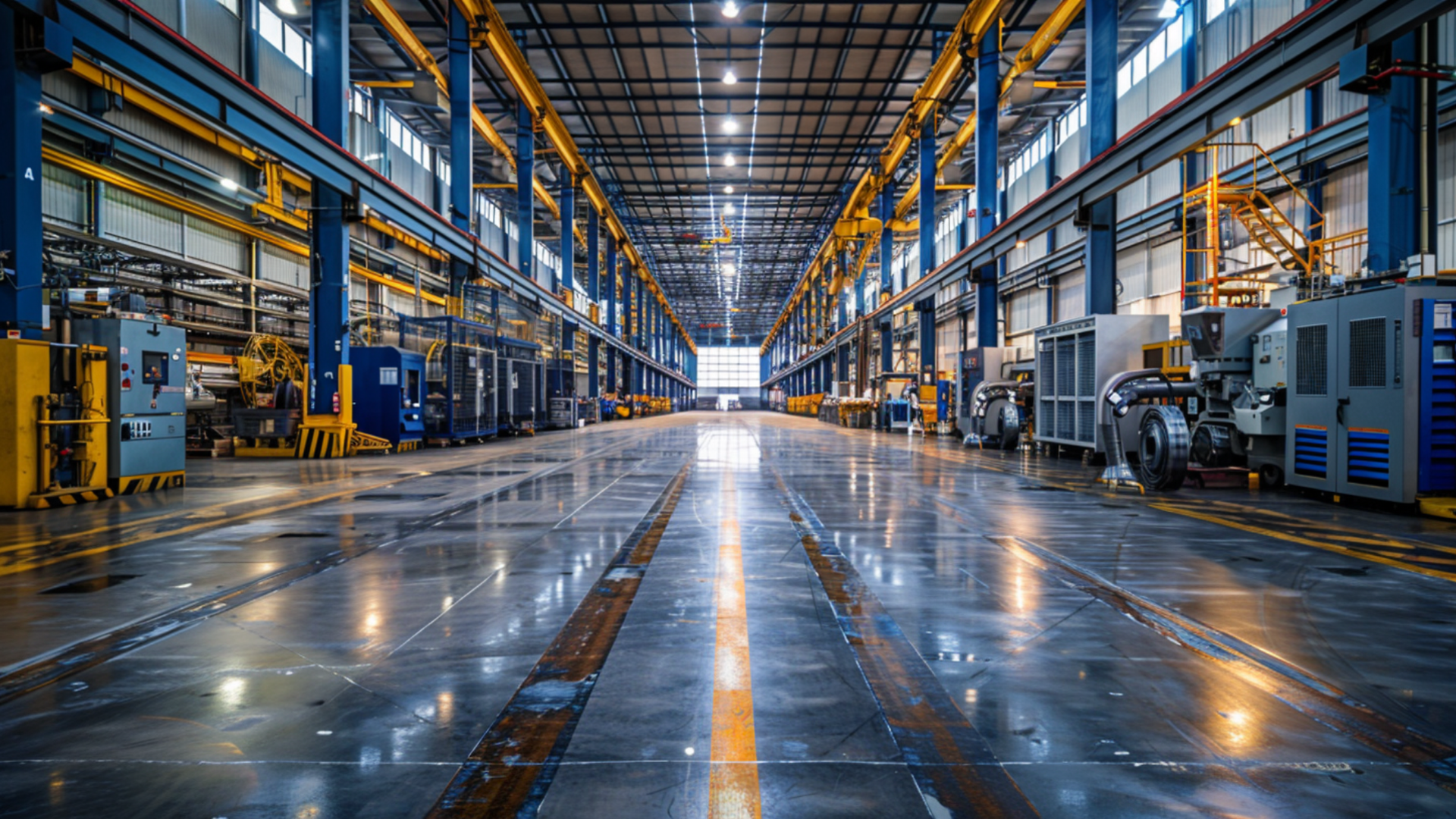
Austin industrial in 2026 is not weak. It is recalibrating.
That distinction matters. A weak market lacks demand. A recalibrating market still has demand, but it becomes more selective about where that demand lands, which users are active, and what conditions are needed for a deal to move forward.
For Austin, the clearest theme right now is this: industrial is steady, but deliverable sites win.
Demand persists, but supply changed the conversation
Austin’s industrial market continued to grow in Q1 2026, but several reports show that new supply has added pressure and made performance more uneven. CBRE noted that new deliveries pushed vacancy higher for the fifth consecutive quarter, even while demand fundamentals remained intact. Colliers also described a market with rising inventory, slower absorption, a shrinking construction pipeline, and continued tenant demand.
That means the question is no longer just, “Is there demand in Austin?” The better question is:
Which type of demand, in which node, and on what timeline?
When new product hits the market, tenants get more choices. More choice creates more discipline. Users can compare access, labor reach, rent, specifications, and delivery timing with more precision. That is where “deliverability” becomes the real advantage.
Three demand lanes: big-box, last-mile, and service/light
Austin industrial demand is best understood in three lanes.
Big-box logistics still matters, but this part of the market is more sensitive to new supply and extended lease-up timelines. Matthews reported that large-scale logistics development has contributed to elevated vacancy, with pressure most visible in big-box space where speculative deliveries have outpaced demand.
Last-mile users care less about broad metro averages and more about proximity. They need to reach rooftops, service areas, and customers efficiently. For these users, a slightly smaller building in the right node can be more valuable than a larger building in the wrong corridor.
Service/light industrial is often the quiet stabilizer. These users need functional space, flexibility, and access to job sites or customers. They may not make the biggest headlines, but they can create durable occupancy because their demand is tied to local operations.
From an owner and investor perspective, these lanes should not be underwritten the same way. Each user type has a different definition of “good real estate.”
Site selection is now an execution test
In 2026, the best industrial sites reduce friction before the tenant ever signs.
That means:
- access that fits the operator’s routes
- labor reach that supports hiring
- site readiness that avoids delays
- and delivery timelines that match business needs
Cushman & Wakefield reported that Austin’s industrial inventory expanded to 101.9 million square feet after 1.2 million square feet of new deliveries in Q1 2026, while under-construction inventory declined sharply year-over-year. That signals a market still absorbing new space, but with a more moderated development pipeline ahead.
For owners, that creates two realities at once. Existing supply may need sharper positioning to compete. But truly deliverable sites—with the right node, specs, access, and timeline—can stand out because tenants are not just buying space. They are buying certainty.
Supply lens: where new product lands matters
New supply does not affect every corridor equally.
A delivery in the right corridor, with the right specs and timing, can lease into demand. A delivery in a less aligned node may create vacancy pressure and force more aggressive economics. This is why Austin industrial is increasingly a submarket-by-submarket story.
Avison Young described Austin’s Q1 2026 industrial market as starting the year on a positive note with more than 700,000 square feet of positive net absorption, while also noting that new deliveries pushed vacancy higher and construction activity moderated. That is the kind of mixed signal that defines a recalibrating market.
The market is not saying “no demand.” It is saying “be more specific.”
Pro-owner takeaway: position for the user, not the category
Owners should resist generic positioning. “Industrial space available” is not enough in a selective market.
The better strategy is to answer:
- Which user type is this building best for?
- What operational problem does this location solve?
- How quickly can the site deliver?
- What makes the node easier than competing options?
The assets that win are the ones with a clear operating logic. They do not simply exist in Austin. They fit a user’s network.
Investor takeaway: underwrite the node, not the metro
Austin’s long-term growth story remains compelling, but industrial underwriting in 2026 needs more precision.
A metro-wide thesis can explain why demand exists. It cannot explain whether a specific asset will outperform.
Investors should focus on:
- submarket absorption
- nearby deliveries
- user depth
- rent pressure
- land constraints
- and timeline risk
The strongest opportunities are not always the newest or largest buildings. They are the assets where user demand, node logic, and delivery certainty overlap.
The next 90 days: signals worth watching
If you want to track Austin industrial clearly, watch:
- Requirement pipeline: what users are actively seeking now
- Absorption pockets: which nodes are digesting supply fastest
- Rental tone: where landlords hold pricing versus adjust
- Delivery timelines: where projects are delayed, delivered, or pre-leased
- Service/light activity: often an early sign of local operational strength
Austin industrial in 2026 is not just about demand. It is about execution.
What’s moving faster in Austin right now—big-box, last-mile, or service/light industrial?
Contact Us
Don't be a stranger!
1220 Augusta Dr
Houston, TX 77057
713.489.9819
melanne@kwcommercial.com